Choose / prepare / apply / care
A good start makes the next pass easier.
These general tool notes are a starting point, not a substitute for the instructions supplied with your chosen coating or liquid.
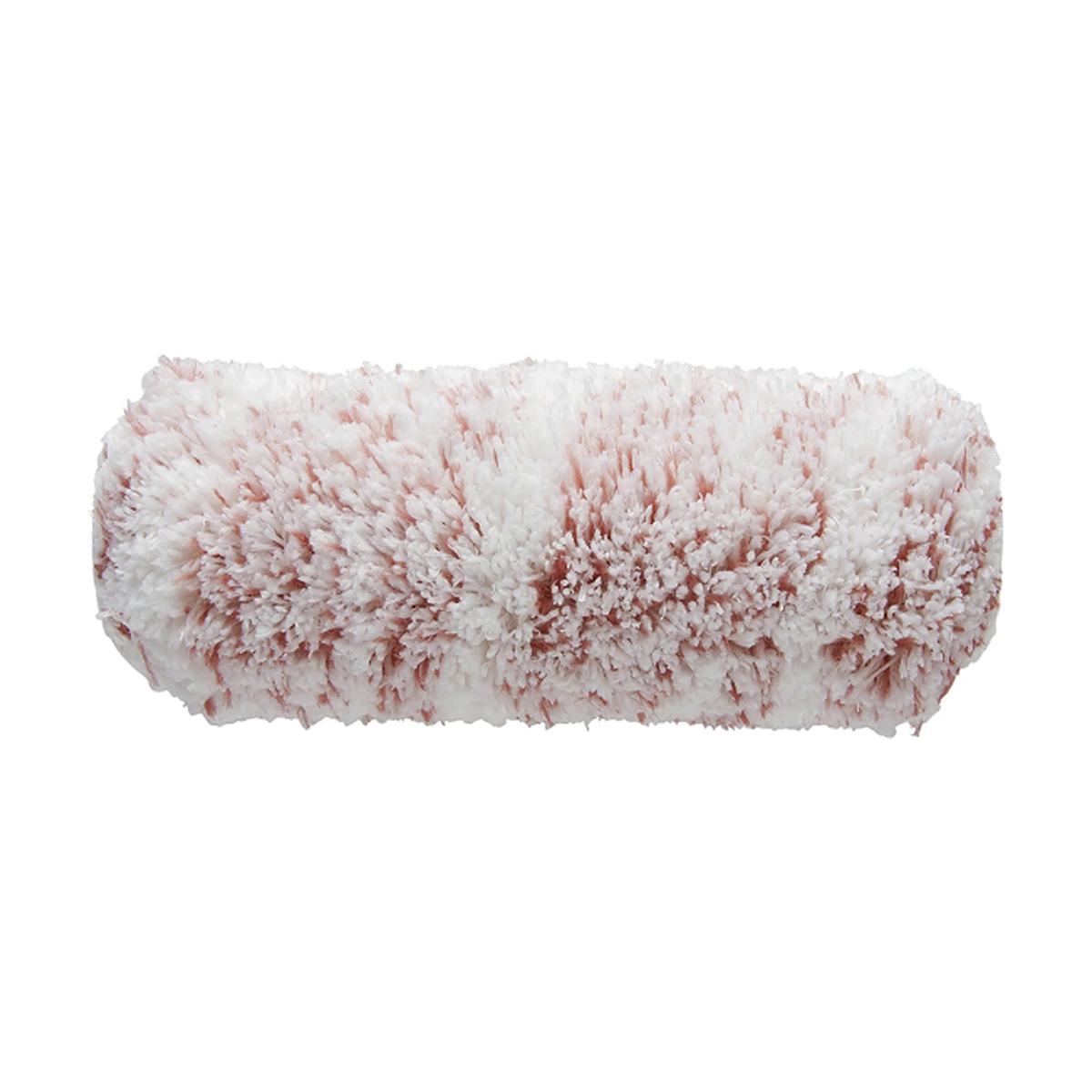
Match the roller to the surface.
A short-pile head suits a smoother substrate. Foam gives a compact contact area on trim. Longer pile reaches further into texture, while a woven trim head keeps the pass compact on narrow flat areas.
Prepare the substrate, remove loose material and test the loaded sleeve. Work steadily without forcing the roller. More pressure is not a replacement for appropriate loading.
Compare roller formats →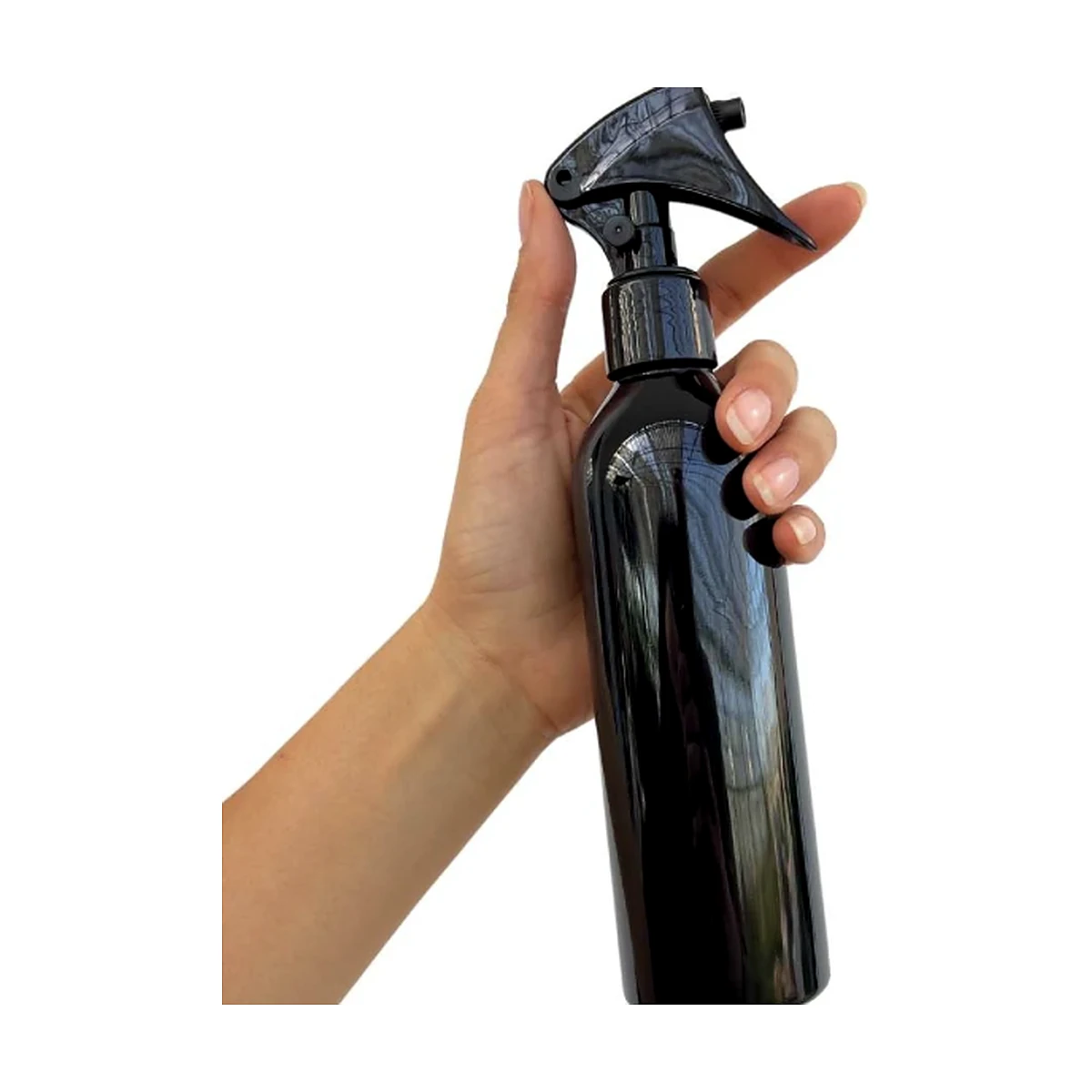
Test the pattern, then the area.
Begin with clean water if compatible with the task. Adjust the nozzle away from people and vulnerable surfaces. A light pass shows where droplets land before you work more widely.
Do not use these tools with flammable, corrosive, solvent-based or hot liquids. They are not sold as chemical-resistant or safety-certified spraying equipment. Wear protection specified by the liquid manufacturer.
Compare manual sprayers →Roller or sprayer?
Direct contact
A roller places material directly on a surface. It suits deliberate coverage where sleeve compatibility is established.
Fine distribution
A sprayer distributes droplets. Account for drift, nearby finishes and the consistency of the liquid.
Reach & access
A small head reaches tight spaces; a lance lets the container sit away from the work. Never improvise pressure fittings.
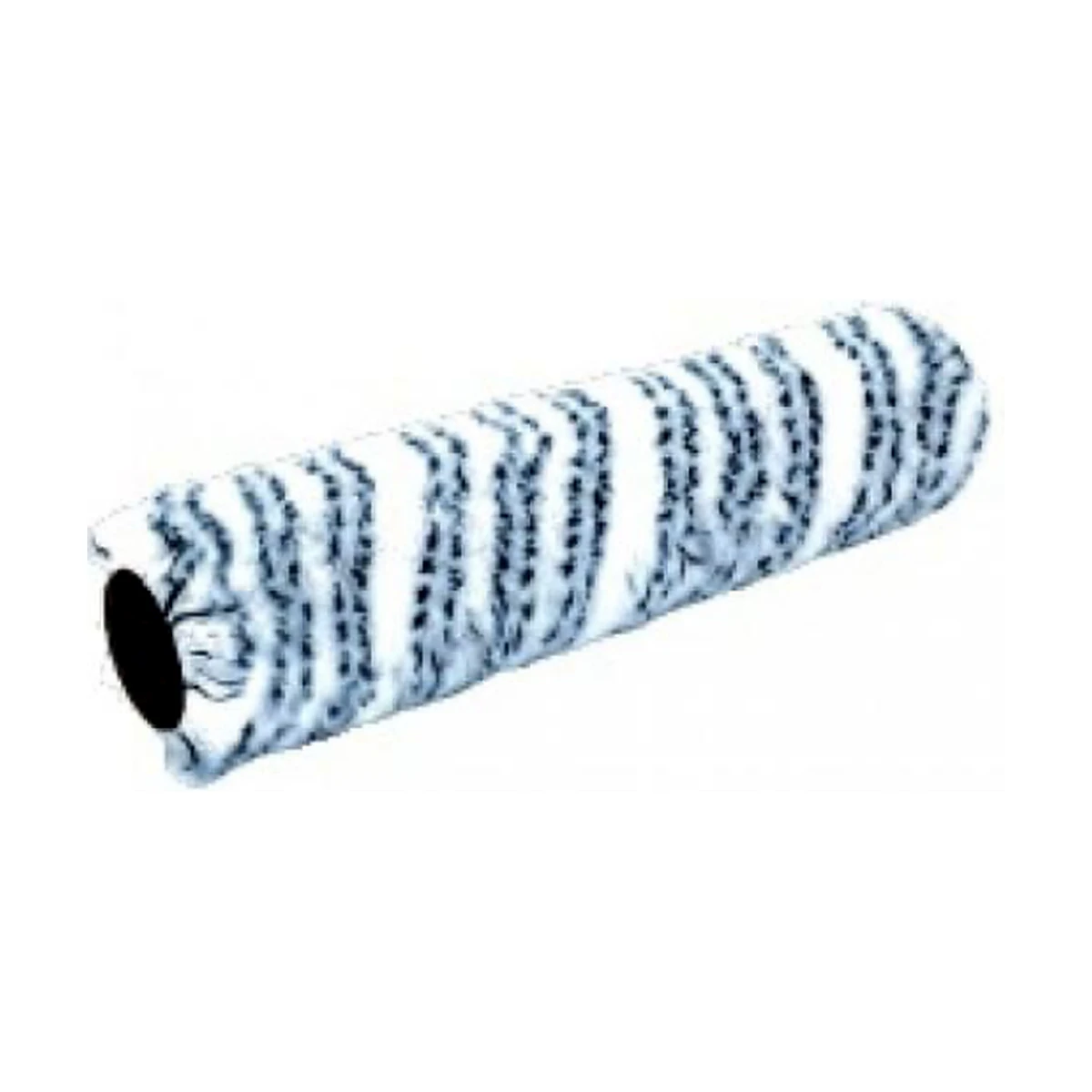
Finish with care.
Remove excess liquid into a suitable container; never pour coating waste into surface drains. Follow the product maker’s cleaning and disposal instructions. Do not soak handles or pump assemblies unless the tool instructions allow it.
Release sprayer pressure before opening. Empty, rinse when compatible, dry and store upright out of children’s reach. Inspect seals, hose and frame before reuse; retire damaged parts.